
Author: Solomiia Zhelchyk
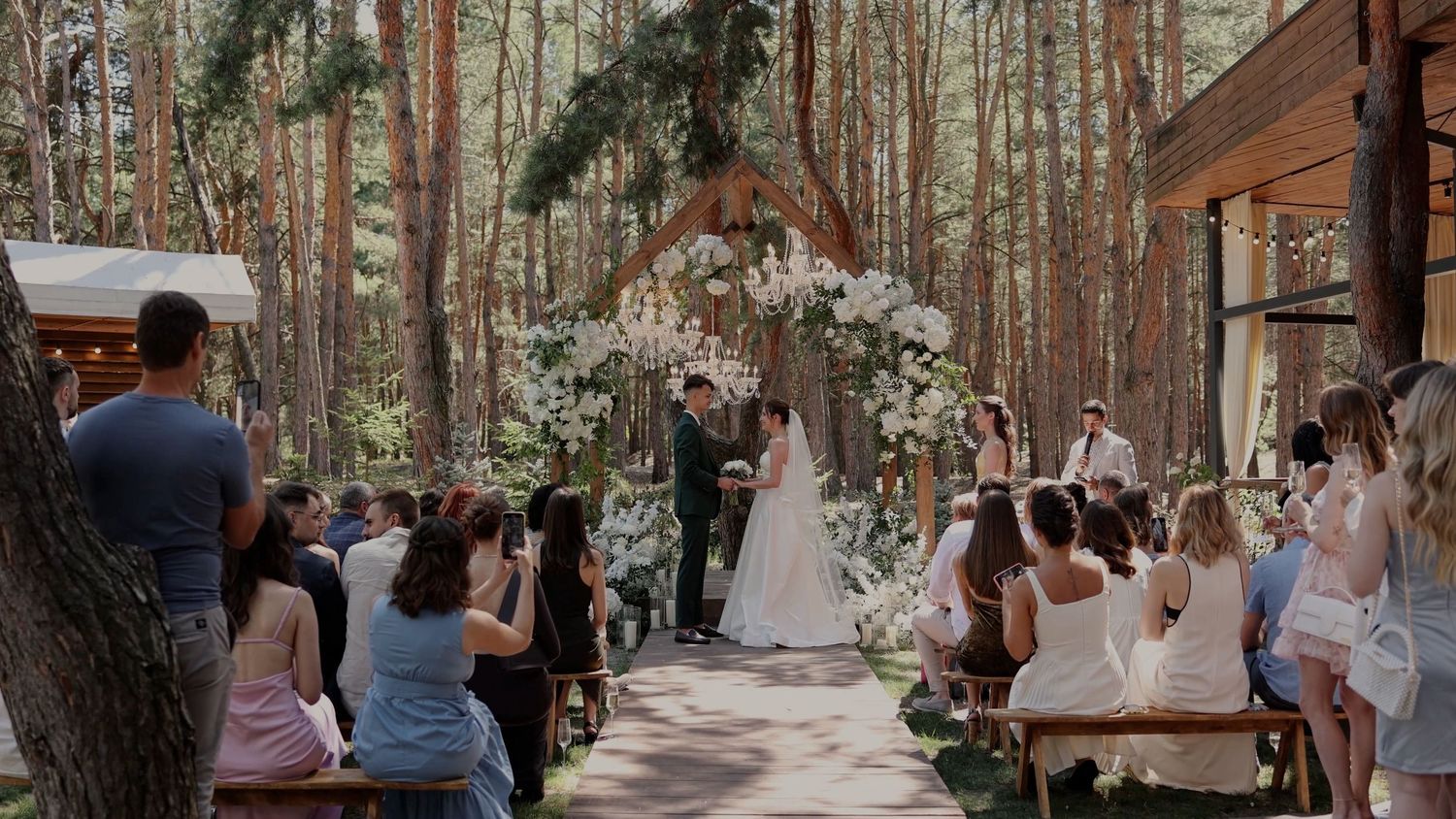
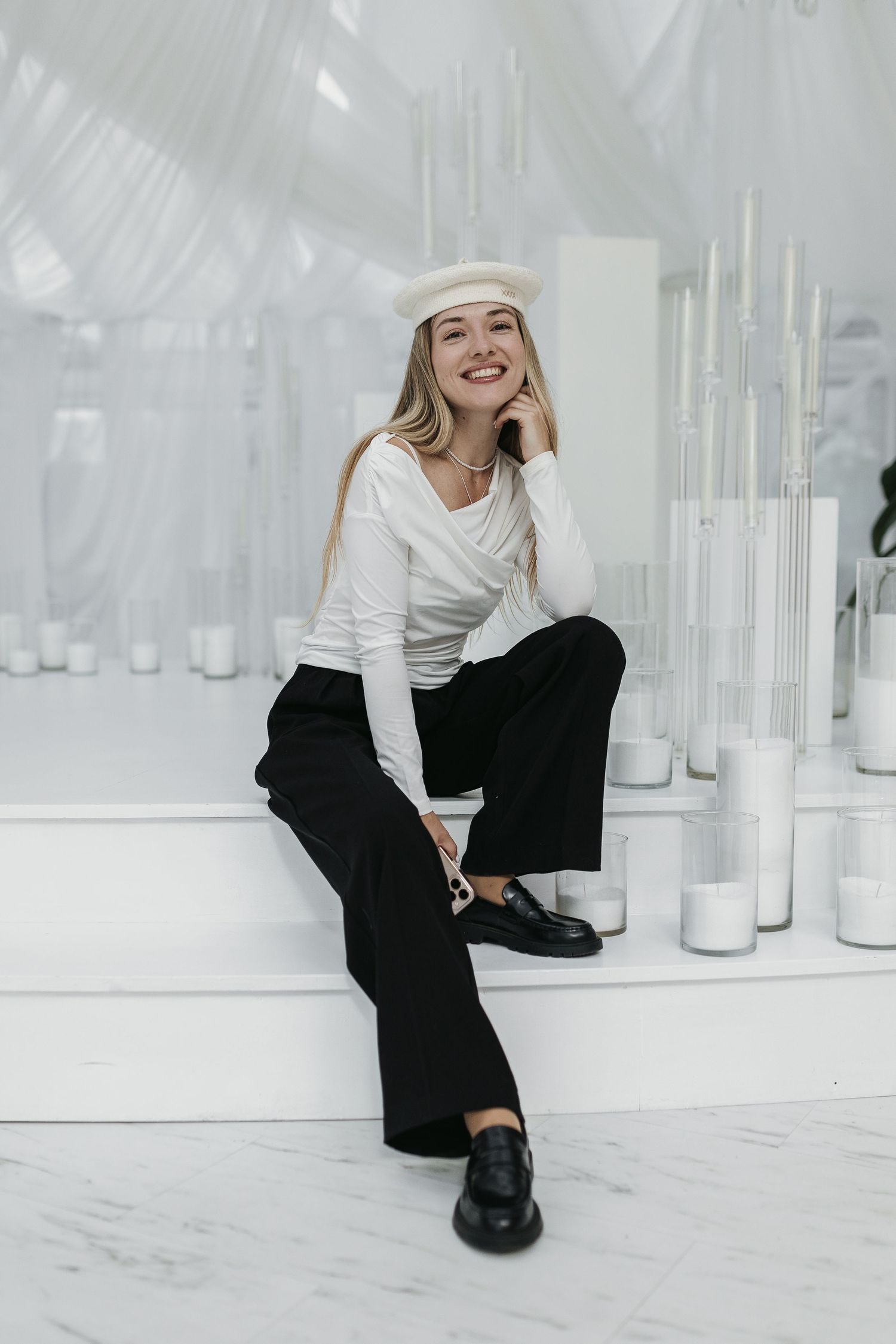
Solomiia is a wedding videographer who films and edits entire weddings using only a smartphone. Through her work, she explores a modern approach to wedding filmmaking - proving that meaningful stories and emotional moments do not always require traditional camera equipment.
In this article, she shares her experience working with a smartphone, explains why she chose this path, and reflects on how mobile technology is changing the way weddings can be captured today. From practical workflow to creative advantages, Solomiia offers an honest perspective on what it really means to film a wedding without a traditional camera.
What does filming a wedding on a phone really mean?
Can a wedding filmed on a smartphone truly be considered professional videography? The answer is yes - but only when the format is understood for what it is.
Smartphone wedding filmmaking is not meant to replace the traditional, hour-long wedding film with full recordings of the ceremony, speeches, and live audio. Couples choosing this format typically are not expecting a long documentary-style edit.
Instead, it offers a modern alternative - a short, emotional, and dynamic film that captures the essence of the day. Rather than documenting every moment, it focuses on atmosphere, meaningful details, laughter, embraces, and the quiet glances that often say more than words.
The result is a concentrated story of the wedding day - light, intimate, and expressive.
In this sense, filming weddings on a smartphone is still a complete video service, simply presented in a different form: more flexible, more mobile, and naturally aligned with the pace and aesthetics of modern life.
What kind of video does the couple receive?
One of the most common questions couples ask is what the final result actually looks like.
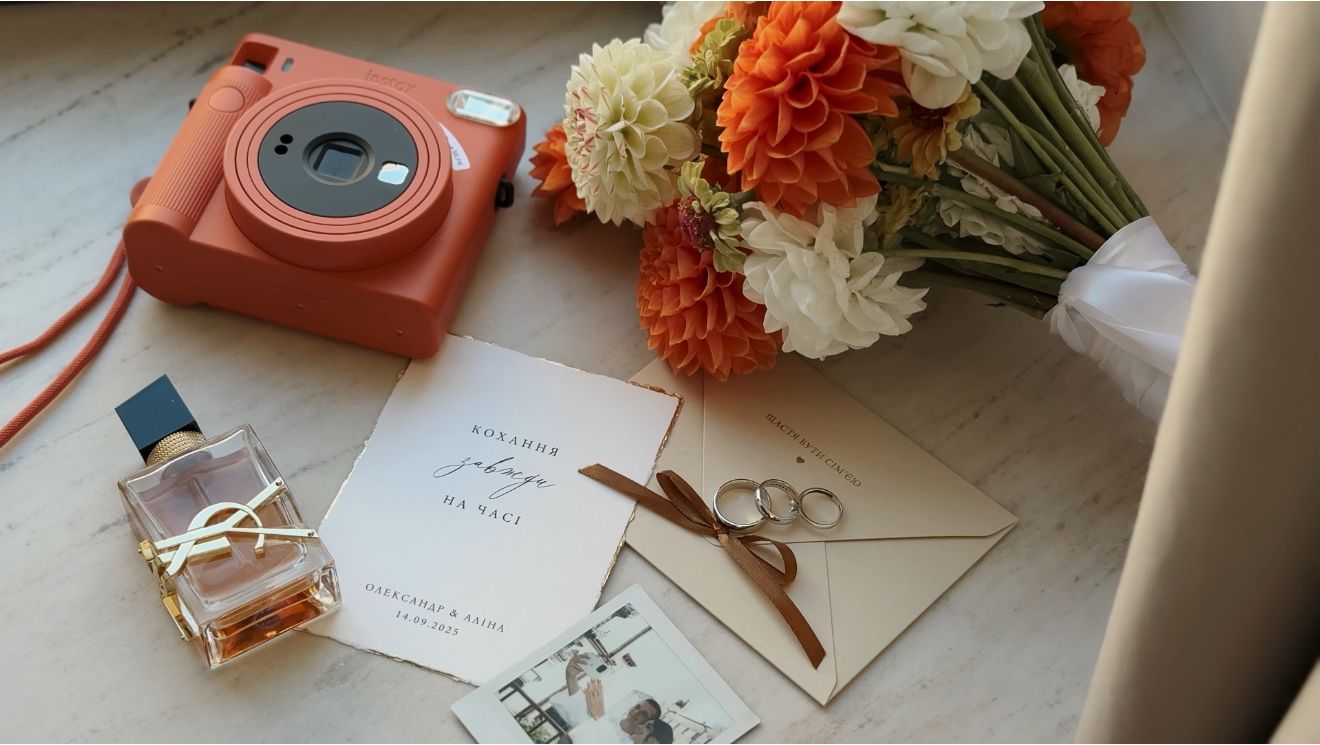
Throughout the wedding day, I document the event in real time, capturing the key moments, emotions, and atmosphere as they naturally unfold. After the wedding, the couple receives a carefully edited collection of videos that together tell the story of the day.
Typically, this includes:
A wedding highlight film (3–3.5 minutes) featuring the most meaningful and emotional moments of the celebration.
A short social media reel (up to 40 seconds) with beautifully composed shots of the couple.
All raw footage, usually consisting of short clips between 3 and 15 seconds.
A full recording of the wedding vows.
In some packages, several short TikTok-style videos designed for social media.
This format allows couples to relive the atmosphere of the entire day quickly and effortlessly. The videos are easy to share with family and friends and are already perfectly suited for modern platforms and social media.
Another format that many couples choose is same-day edit (SDE) - one of the signature elements of my work. In this case, a short highlight video is edited and presented on the very same day of the wedding, allowing guests to experience the story of the celebration while it is still unfolding.
What is the key difference between filming on a smartphone and a professional camera?
The first and most noticeable difference is the speed of delivery.
With mobile wedding filmmaking, couples typically receive their finished video much faster - often within two weeks. In traditional wedding videography, delivery timelines can stretch to several months, and sometimes even up to half a year.
The second difference lies in technical capabilities.
Professional cameras offer greater flexibility in terms of image depth, low-light performance, and overall detail. In purely technical terms, a smartphone cannot fully match the capabilities of a professional cinema camera.
That said, modern smartphones are capable of producing remarkably high-quality, cinematic images. Composition, lighting, and editing play a major role in the final result, and I focus carefully on each of these elements to ensure the video feels polished and visually compelling. Many guests are genuinely surprised when they discover the film was captured entirely on a phone - because visually, it often resembles footage shot on a professional camera.
Another important distinction is audio recording.
In traditional wedding videography, special attention is given to capturing clean, professional sound. Separate audio recorders are often used to record vows, speeches, and other key moments throughout the day.
When filming on a smartphone, sound is captured in a more natural way - along with background noise, music, and the ambient atmosphere of the venue. (Professional lavalier microphones can still be used to record vows when needed.)
For this reason, my format focuses primarily on music-driven storytelling, where the emphasis is placed on visuals, emotions, and the overall atmosphere of the day rather than a full documentary recording of every spoken moment.
The advantages of filming a wedding on a smartphone
What are the main benefits of smartphone wedding videography for couples?
In my experience, there are three key advantages.
1. Faster delivery
Couples don’t have to wait months to see their wedding film. A finished highlight video can often be delivered within two weeks. In today’s fast-paced world, that matters - many couples want to relive the emotions of their wedding day while those memories are still fresh.
2. Greater affordability
Smartphone wedding filmmaking is typically more accessible in terms of cost than traditional videography. At the same time, it still allows couples to receive a beautiful and meaningful video memory of their day.
3. A more relaxed atmosphere
People often feel more comfortable in front of a phone than a large professional camera. A smartphone is a familiar tool that doesn’t create the feeling of a large-scale production. As a result, couples and guests tend to behave more naturally, which often leads to more genuine emotions being captured on film.
Does filming on a phone make it easier to stay unnoticed?
Yes - and this is one of the biggest advantages of the format.
A smartphone is significantly more compact than a professional camera. With less equipment involved, there is less disruption to the space and flow of the event. I can move quickly, react to spontaneous moments, and capture authentic interactions without drawing unnecessary attention.
Because of this, couples and guests often feel more relaxed. They don’t feel the “presence” of a large camera pointed at them, which allows truly natural moments to unfold.
For some couples, this subtle and unobtrusive approach becomes the deciding factor when choosing this style of wedding videography.
Limitations and honest challenges
What kinds of moments are more difficult to capture on a smartphone?
Like any format, smartphone wedding filmmaking has its limitations. The biggest challenges typically arise in two situations.
Low-light environments
Scenes with very limited lighting can be more demanding when filming on a phone. However, I always work with professional video lighting, which allows me to achieve the best possible image even in challenging conditions. This helps maintain a cinematic look and makes mobile filmmaking far more versatile than many people expect.
Moments where pristine audio is essential
While smartphones are capable of recording sound, wedding environments can be unpredictable - with loud music, conversations, and general background noise filling the space. In these situations, achieving perfectly clean, studio-quality audio can be difficult.
For this reason, my approach focuses on creating a visual story set to music, where the emphasis is placed on atmosphere, emotion, and imagery rather than on a fully documentary recording of every spoken moment.

Editing a wedding film entirely on a smartphone
How does the full editing process work without using a computer?
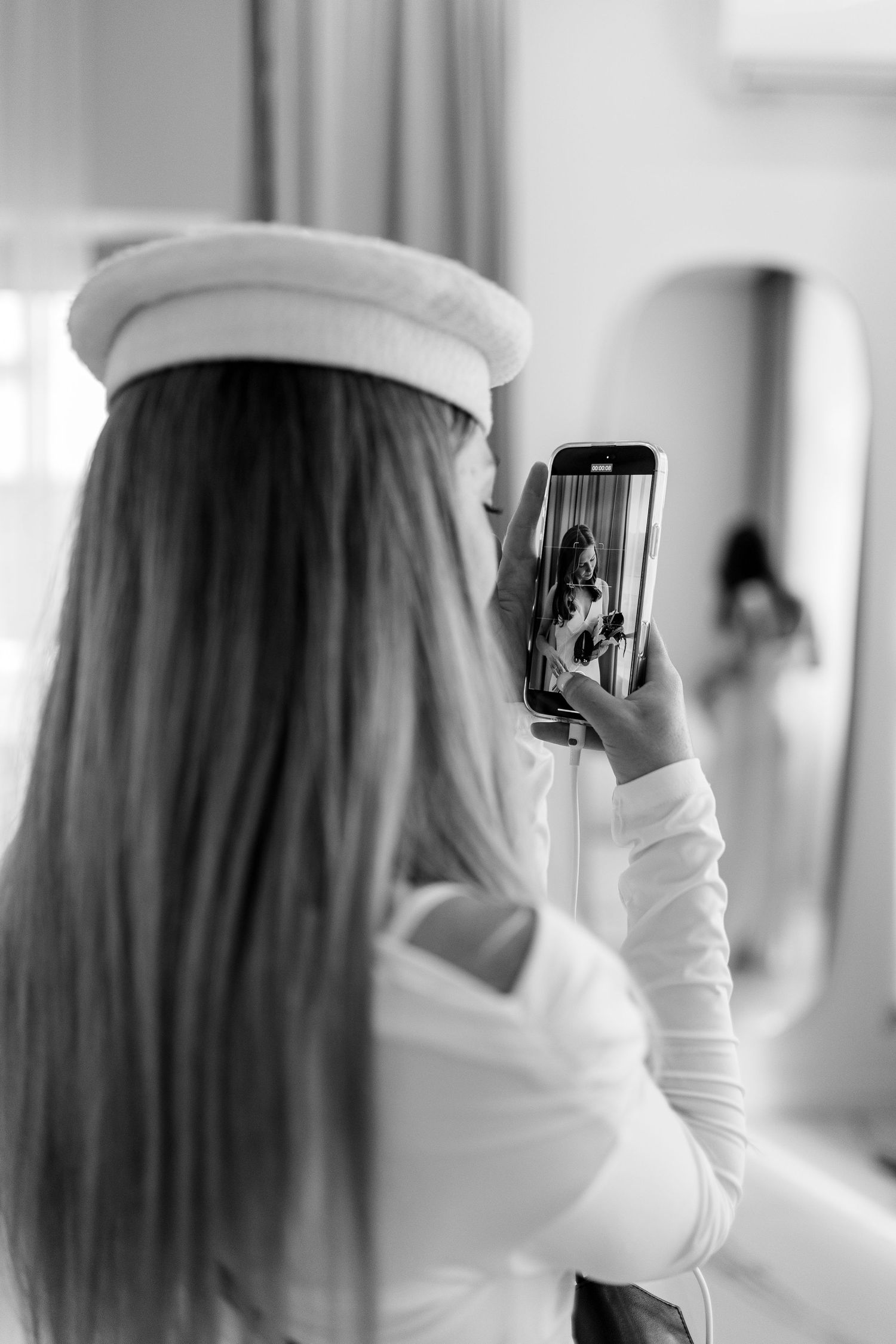
All of my editing is done directly on the smartphone - from reviewing the footage to exporting the final film. Over time, this has become a familiar and well-refined workflow.
After the wedding, I begin by watching the recorded material and selecting the most expressive moments of the day. From there, I build the structure of the film, choose the music, and work on color, pacing, and rhythm. Everything happens on a single device — without transferring files or adding extra technical steps.
What are the advantages of editing directly on a phone?
Working this way offers several practical benefits:
- Speed of workflow
- No additional technical steps, such as transferring or synchronizing files
- Mobility, allowing editing to begin almost immediately after filming
- A more cohesive creative vision, since the footage doesn’t sit untouched for months
This approach helps preserve the emotional freshness of the day while the film is being created.
Does this allow couples to receive their video faster?
Absolutely.
Mobile editing significantly reduces the technical stages of post-production, which means the final video can be delivered much sooner than in traditional workflows.
How flexible is editing in this format?
Modern mobile editing apps offer a wide range of tools suitable for professional highlight films - including color correction, rhythm-based editing, and transitions.
Of course, when it comes to complex, multi-layered audio design or large cinematic productions, computer-based editing still provides more advanced capabilities.
However, for the format of an emotional wedding highlight film, mobile editing is a fully capable and efficient tool.
Same-day edit as an additional option
What is a same-day edit - and why do couples choose it?
A same-day edit (SDE) is the creation of a short wedding film on the very same day as the celebration. Footage is captured throughout the event and quickly edited so the finished video can be shown later that evening.
As a result, the couple and their guests can watch a highlight film before the night is over - reliving the day while the emotions are still fresh. It allows them to notice moments they may have missed and experience the atmosphere of the celebration from a new perspective.
It’s a unique experience.
Not weeks later.
Not months later.
But the very same day.
When does a same-day edit truly enhance the wedding day?
Same-day edits work especially well as an element of surprise.
Guests rarely expect that a finished wedding film will be shown during the evening celebration. When the video begins to play, the energy in the room often shifts - laughter, tears, hugs, and applause fill the space.
The couple gets to relive their day once more, this time from the outside looking in.
Guests see themselves as part of the story of the wedding.
And together, it creates a warm, unifying moment that beautifully closes the celebration.
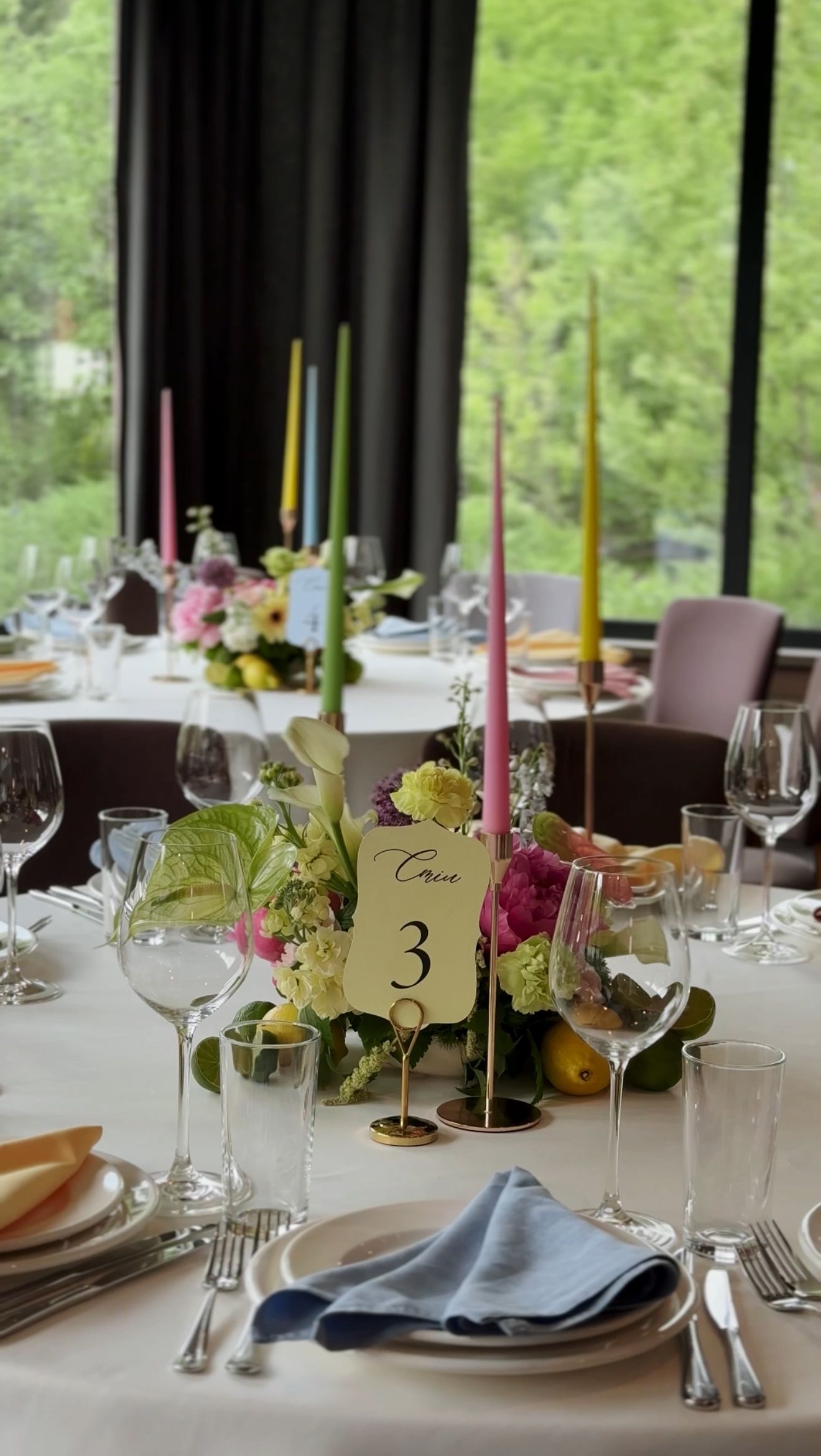
Is a same-day edit created on a smartphone different from a traditional one?
In many ways, it comes down to the videographer’s vision and personal style.
In traditional wedding videography, a same-day edit is often created by a small team. One videographer focuses on capturing footage throughout the day, while another person simultaneously works on editing the material so it can be shown during the evening celebration.
When filming on a smartphone, the process is handled by a single person. I spend the day capturing the most important moments of the wedding, and later select the strongest clips and assemble the film directly on the phone.
It’s a different workflow - faster, more compact, and highly focused.
For guests, this often becomes a surprising part of the experience. After the screening, many approach with the same question: “When did you even have time to edit this?”
For me, these reactions are incredibly meaningful. They show that mobile filmmaking can be more than just an alternative - it can become a natural and memorable part of the wedding day itself.
Who is smartphone wedding videography best suited for?
This format tends to resonate most with couples who:
- want to preserve the atmosphere of their wedding day in the form of a stylish highlight film
- are not necessarily looking for a full-length, documentary-style wedding movie
- value a relaxed and natural environment without the constant presence of a large professional camera
Mobile wedding filmmaking is often more accessible than traditional videography, while still allowing couples to receive a beautiful and emotional video memory of their day.
Can couples combine smartphone videography with traditional wedding videography?
Yes - and in many cases, couples do exactly that.
When the budget allows, some couples choose to include both formats: a professional videographer with a traditional camera to create a full wedding film, and a mobile videographer to capture a faster, more spontaneous version of the day.
This approach allows couples to receive different perspectives and styles of storytelling from the same celebration.
Another advantage is timing. Videos filmed on a smartphone are typically delivered much sooner - often within two weeks, or even the same day when the same-day edit format is chosen.
Advice for couples before choosing this format
What should couples consider when selecting a videographer who films on a smartphone?
First and foremost, take a close look at the videographer’s portfolio. Pay attention to their visual style, color grading, pacing, and editing choices. The overall feeling of the film will quickly show whether their approach aligns with what you imagine for your own wedding video.
It is also important to evaluate how the videographer works in different situations - such as varying lighting conditions, movement during the day, and overall framing of the shots.
What questions should couples ask before booking?
Before making a decision, it can be helpful to clarify a few practical details:
- What type of final result will the couple receive depending on the chosen package?
- What exactly is included in the package (highlight film, short reels, raw footage)?
- Is professional audio recording included, for example using lavalier microphones for the vows?
- How long will the editing process take, and when can the couple expect to receive the final video?
Clear communication about expectations is often the key to ensuring that couples feel truly satisfied with the final result.
How to know if this format is right for you
Smartphone wedding videography is a great option for couples who are looking for a stylish, emotional highlight film that captures the most meaningful moments of their wedding day.
This format may be especially appealing if:
You already have a professional videographer, but would like additional footage and a faster result. In this case, smartphone filming can become a wonderful complement to a traditional wedding film.
You plan to share content on social media. Short-form videos, vertical clips, and reels are perfectly suited to the mobile filming format.
You value a natural and relaxed atmosphere. Because a smartphone feels less intrusive than a large professional camera, couples and guests often behave more freely - which can lead to more genuine, spontaneous moments being captured on film.
When is filming a wedding on a smartphone the best alternative to a traditional camera?
Mobile wedding videography becomes the perfect choice when couples want to preserve the emotion, atmosphere, and spirit of their wedding day in the form of a stylish, dynamic highlight film.
This format often appeals to couples who value:
- fast delivery of the final video
- a natural and relaxed presence on camera
- a modern, visually driven storytelling style
- content that can easily be shared on social media
Filming on a smartphone is not simply a simplified version of traditional videography. It represents a different approach - more mobile, more focused, and often more emotionally immediate.
A final piece of advice for couples choosing between formats
When deciding on a wedding video format, it is important to think about the kind of result you truly want to receive.
If the budget allows, combining different formats can be a wonderful solution. Some couples choose a traditional videographer to create a full wedding film, while also including smartphone videography for faster, more spontaneous content.
Ultimately, the most important thing is to choose the approach that feels right for you - the one that captures your memories in a way that reflects your story.
Want to share your story?
If you are a wedding professional or a couple with a unique wedding experience, we’d love to hear from you.
Submit your story to The WedVeil.